


Scutched Flax (Linen)
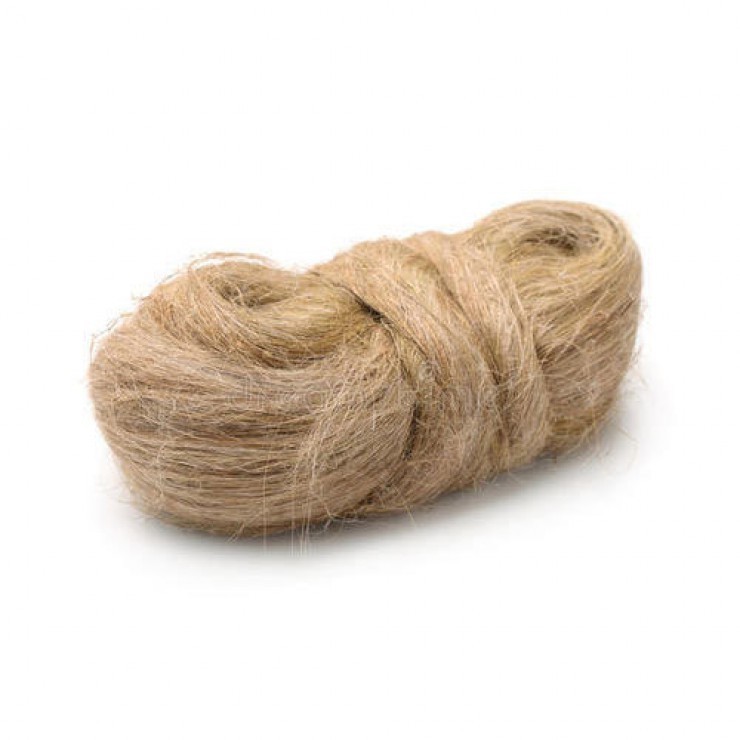
How we scutched the flax ,what is the scutched flax is or how to scutch the flax in Egypt?
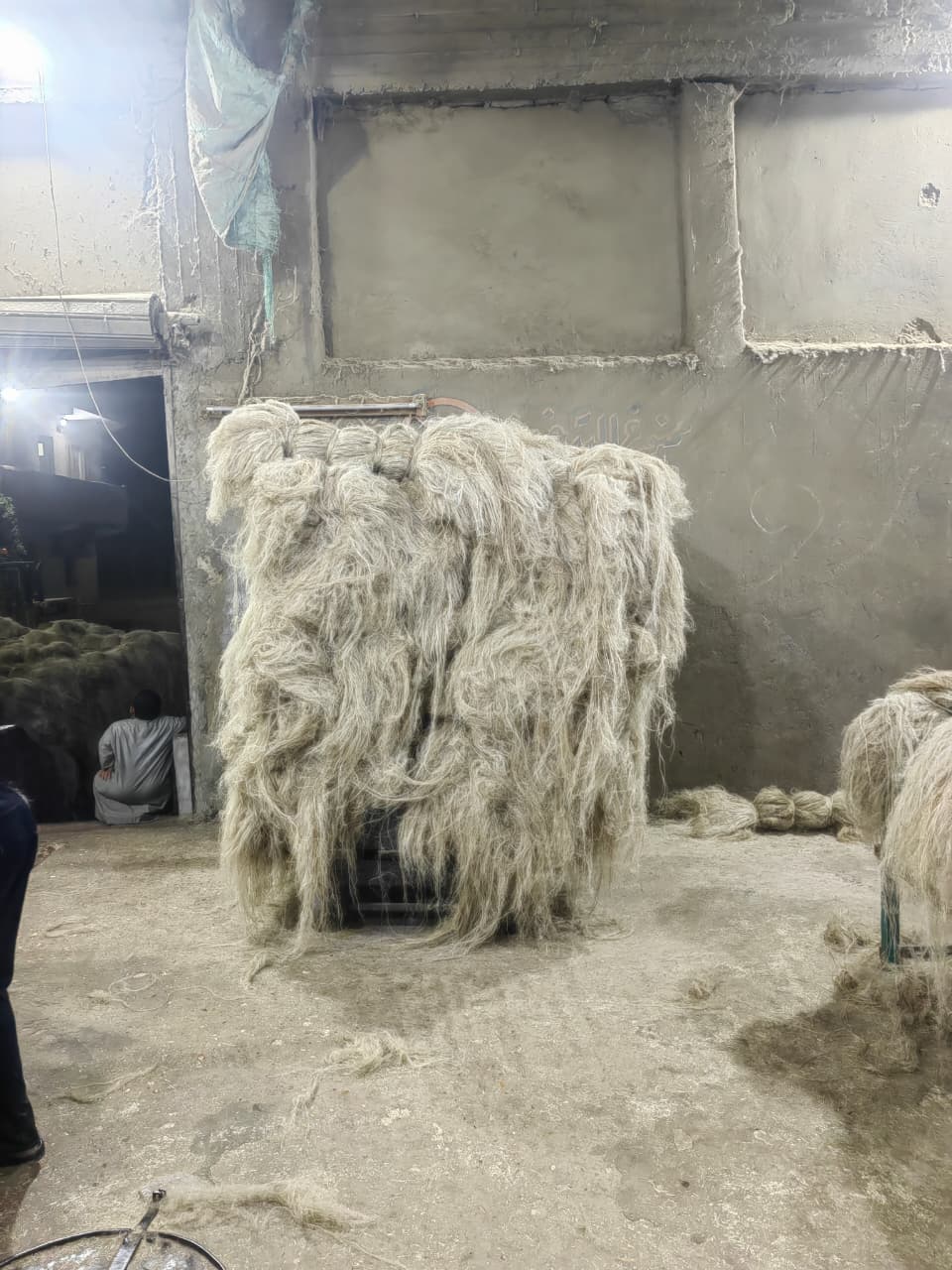
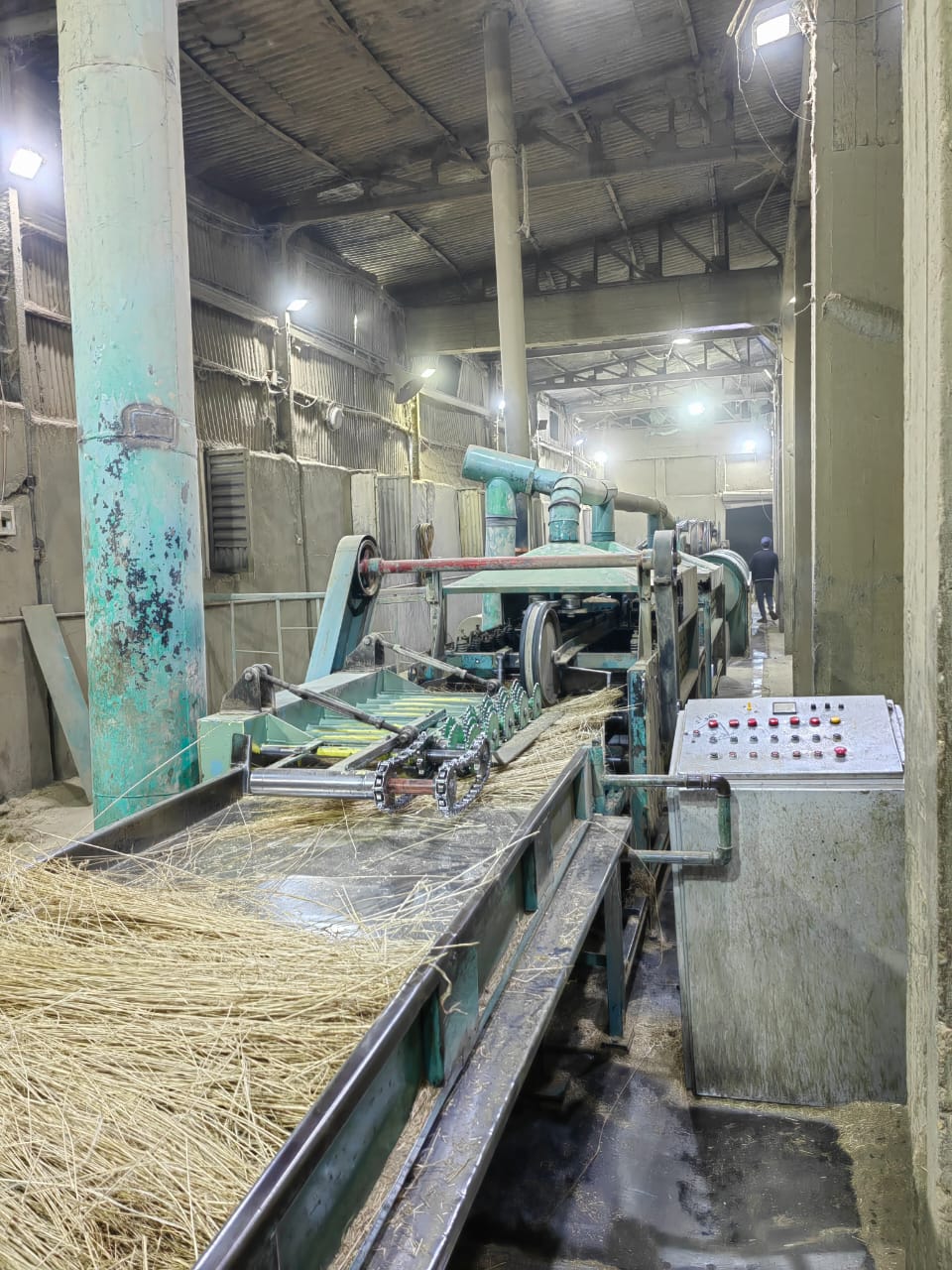
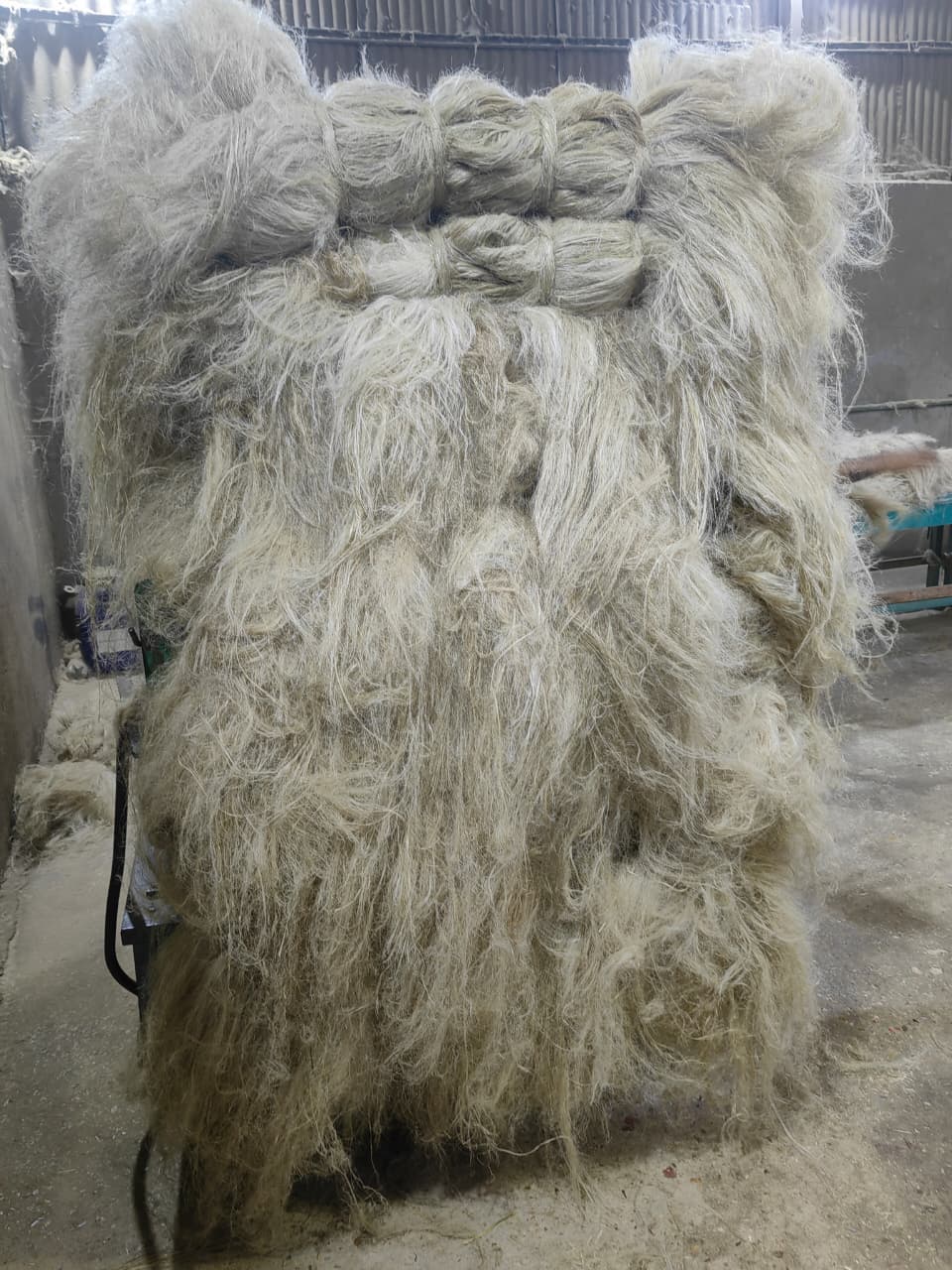
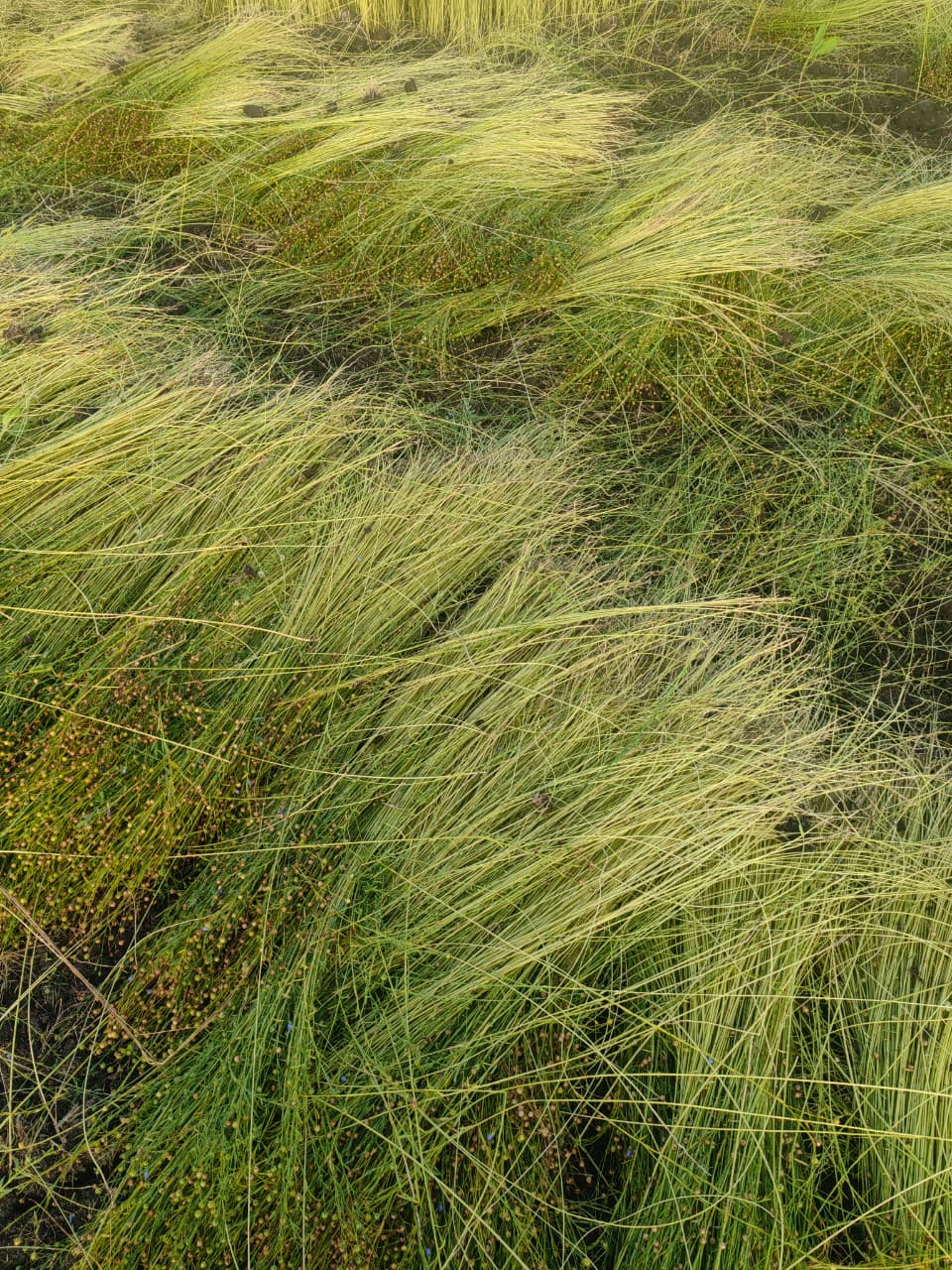
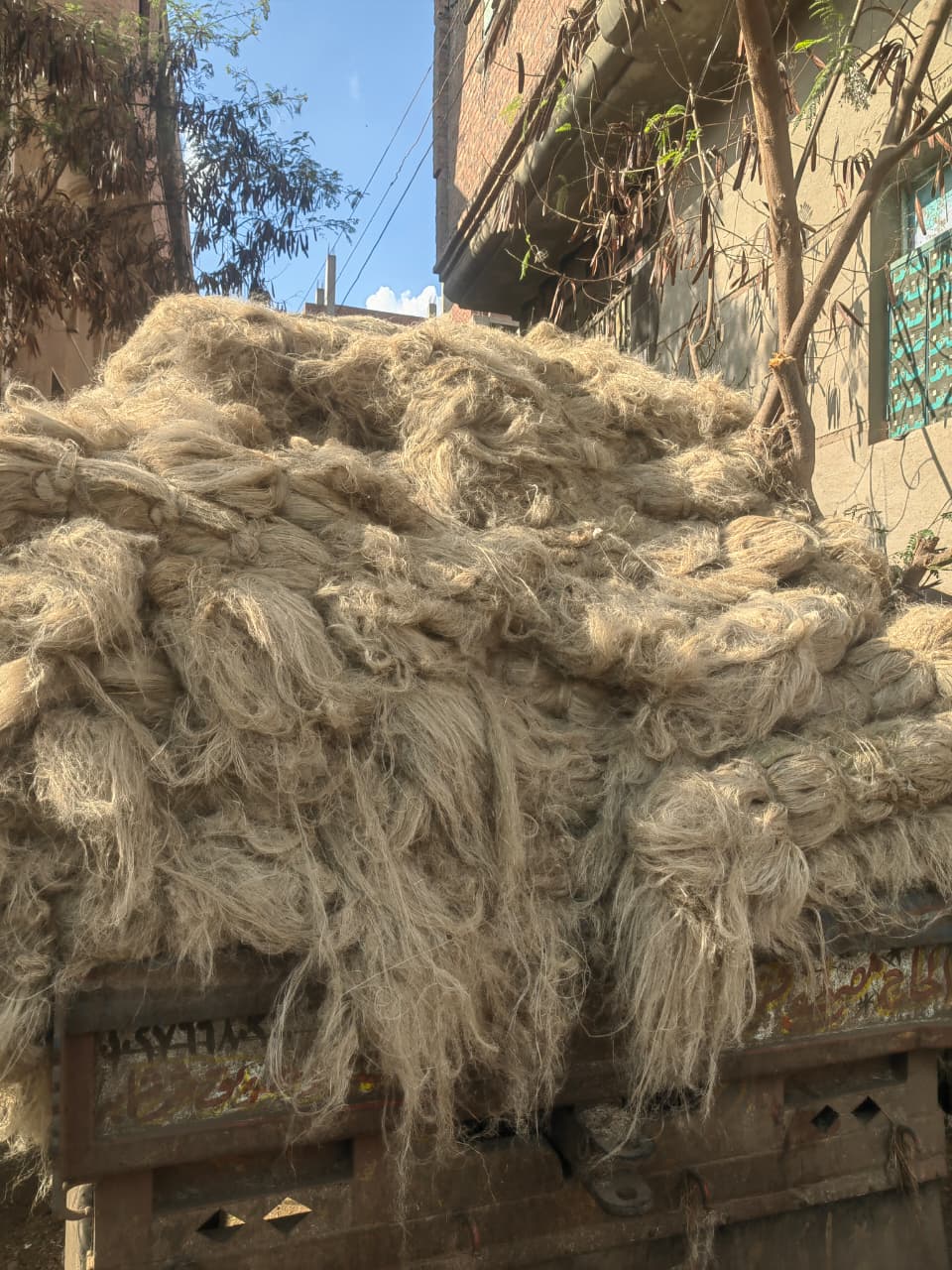
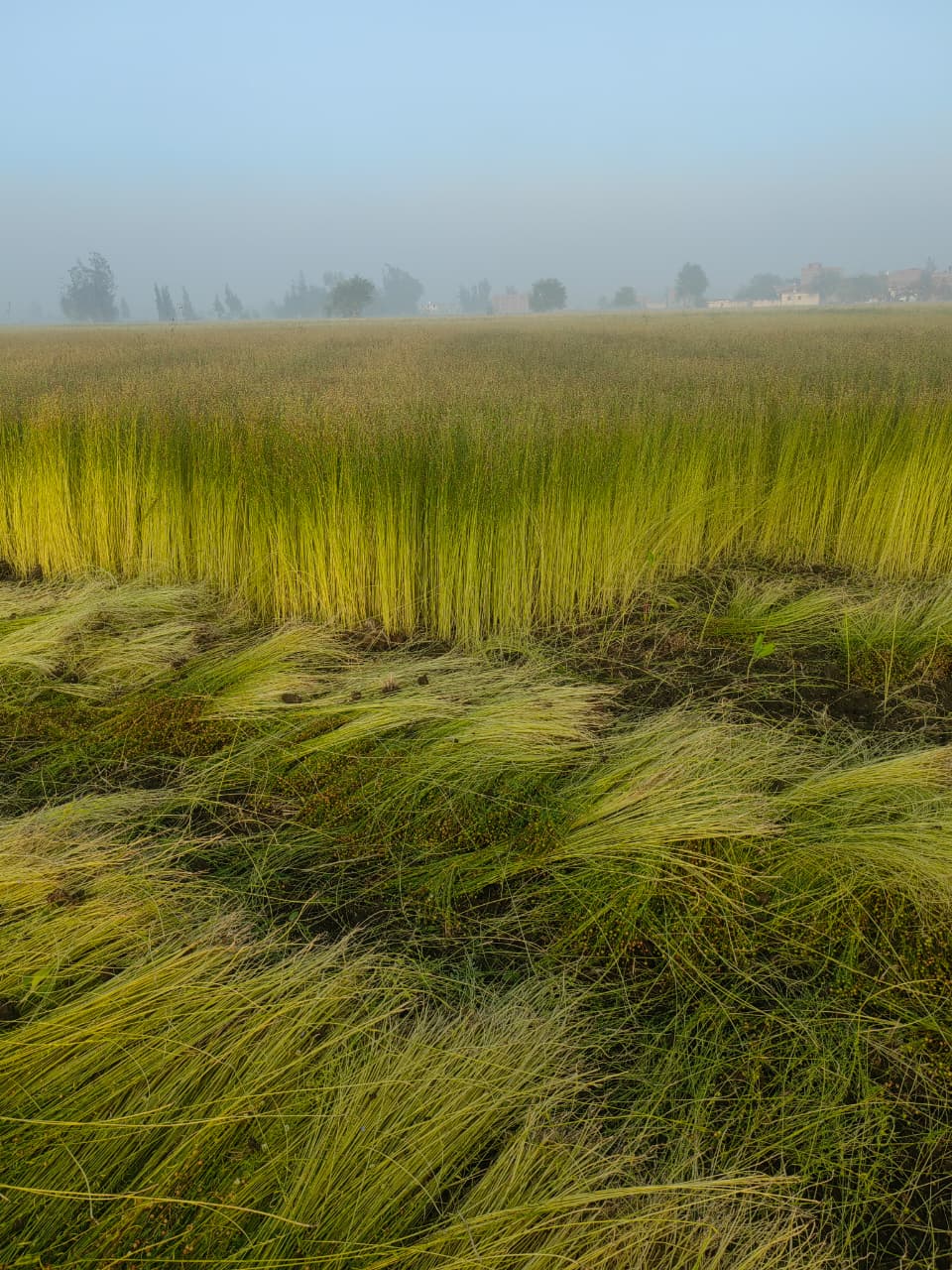
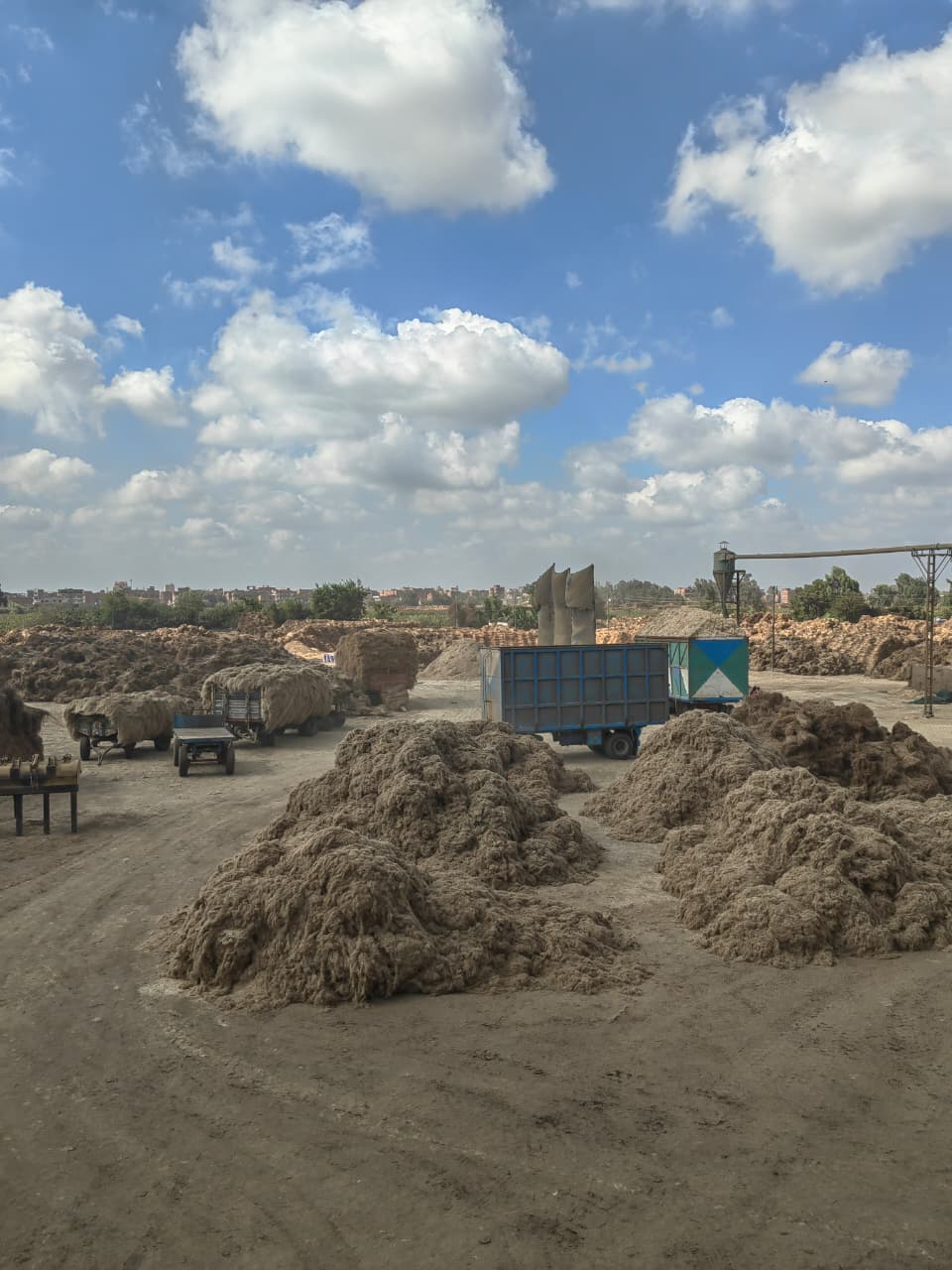
Before the flax fibers can be spun into linen, they must be separated from the rest of the stalk. To remove this and after retting process, we "breaking" the flax , the straw is broken up into small, short bits, while the actual fiber is left unharmed. Scutching scrapes the outer straw from the fiber. and this is mean the scutched flax.
Product Details:
| Name | Scutched/Broken Flax |
| HS Code | 10007634 |
| Color | Natural |
| Purity | Grade A: not less 97% Grade B: not less 94% |
| Fiber Length | 80 - 90 cm |
| Packaging | Pressed in bales of 200 or 250 kg |
| Min Quantities | 5 tons |
| Container Capacity | 20 ft & 40 ft containers |
| Delivery Time | 10 - 30 days |
| Price | Negotiable |
| Governorates | Gharbiah (Tanta) - Dakhiliyah (Blaques) - Behirah - Kafr El Sheikh |
| Country | Egypt |
Flax Processing Details
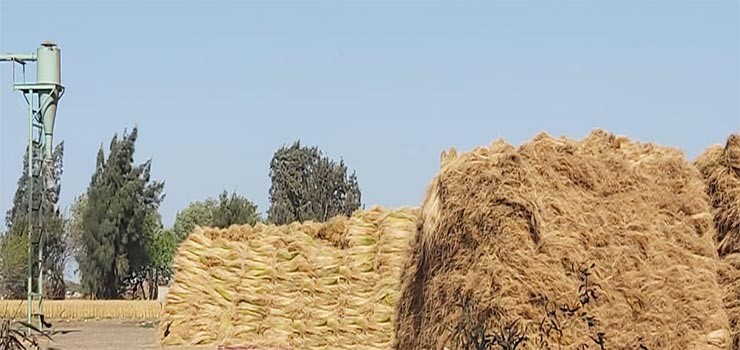
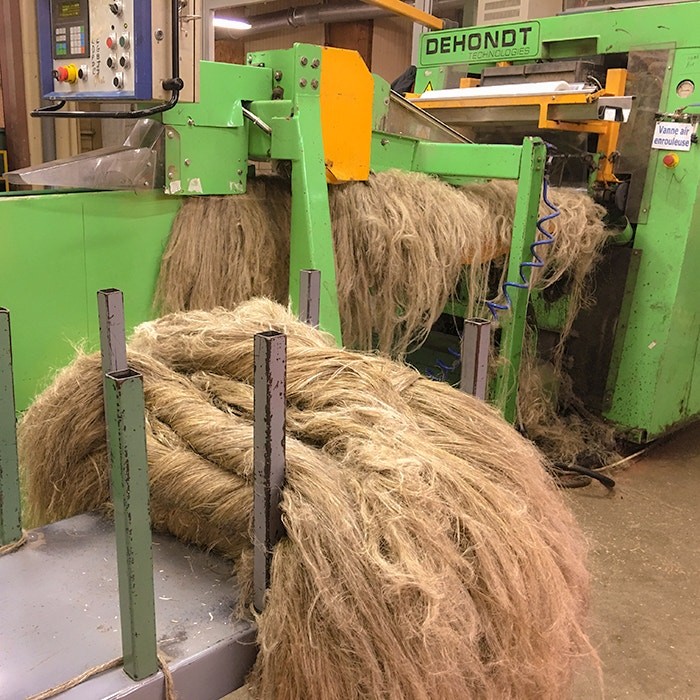
- Scutched flax from long and short fiber not less than 80–90 cm
- Available in 1st and 2nd grade
- Spinning range: perfectly suitable for yarn production from Nm9.5 to Nm36
- Container capacity: 25 tons in 40HC
Flax Tow
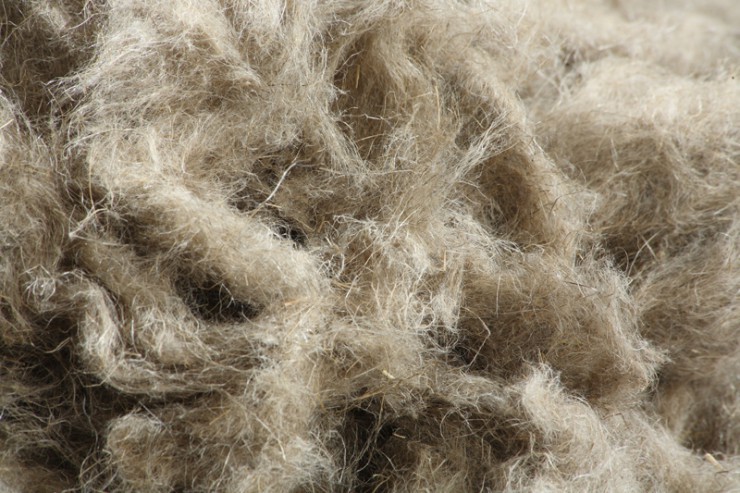
How we flax Tow ,what is the flax tow is ? or how flax tow in Egypt?
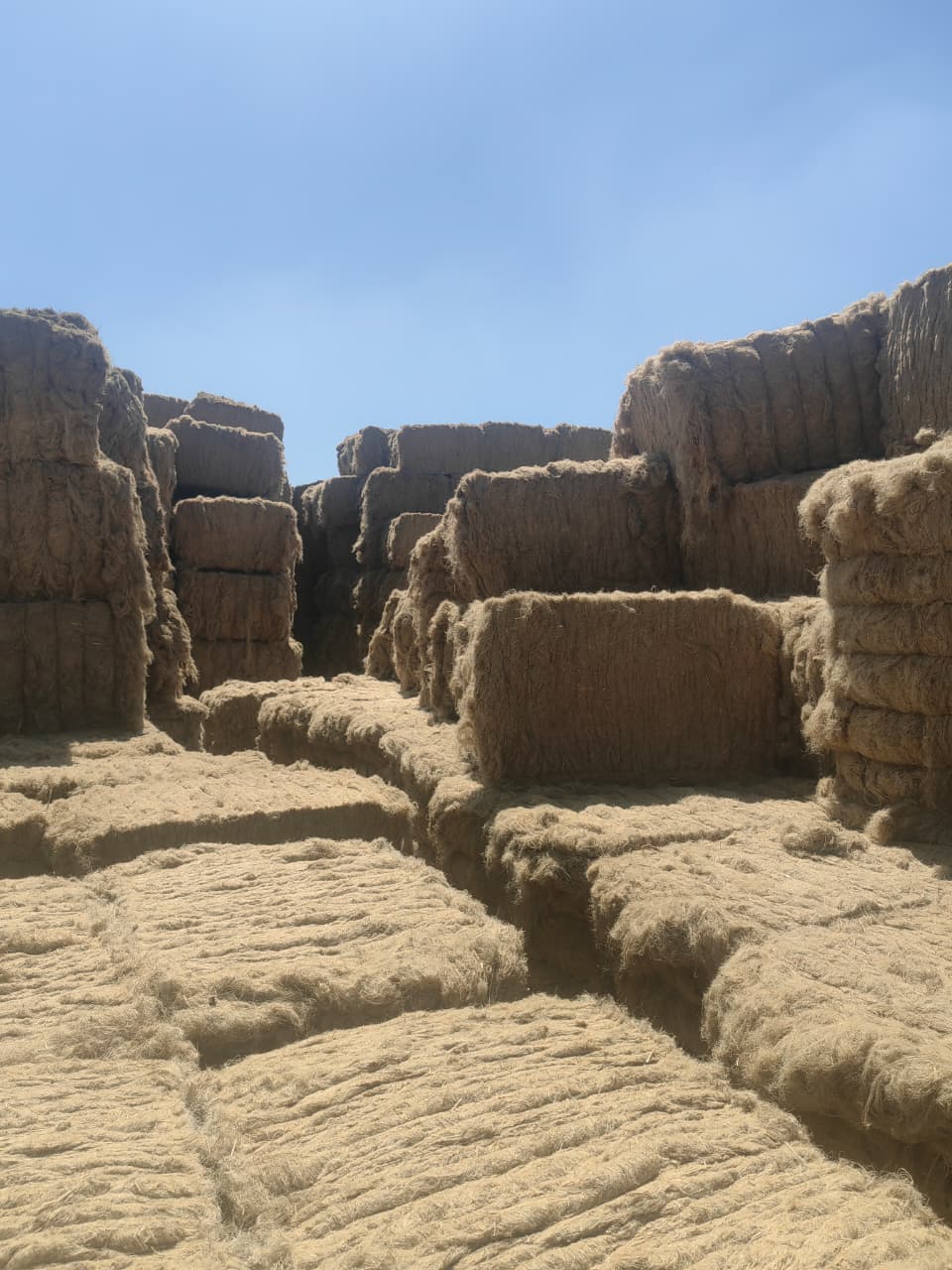
flax tow is a short fibers produced from flax straw by combing with steel combs, the short fibers or tow are left behind; these short fibers are traded as flax tow.
Product Details:
| Name | Flax Tow |
| HS Code | - |
| Color | Natural |
| Shivs % | From 5% - 25% |
| Fiber Length | < 30 cm |
| Packaging | Pressed in bales of 200 or 250 kg |
| Min Quantities | 5 tons |
| Container Capacity | 20 ft & 40 ft containers |
| Delivery Time | 10 - 30 days |
| Price | Negotiable |
| Governorates | Gharbiah (Tanta) - Dakhiliyah (Blaques) - Behirah - Kafr El Sheikh |
| Country | Egypt |
Hackled Flax
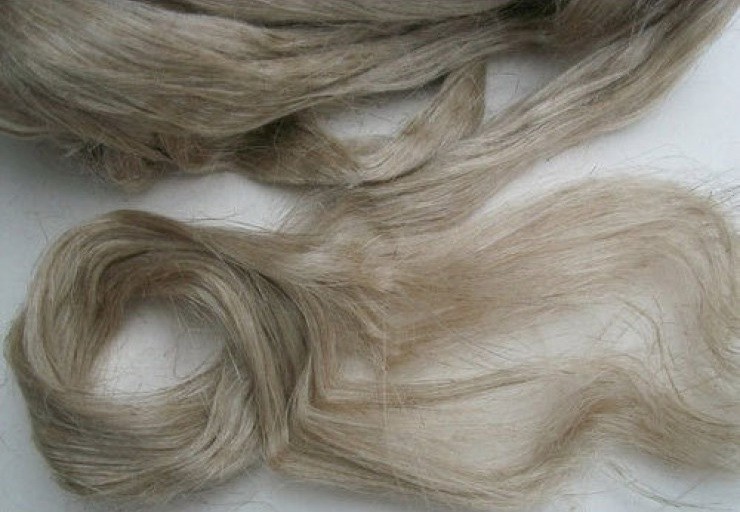
How we hackling the flax? ,what is Hackled flax ? or how hackling flax in Egypt?
This is the process that prepares the flax for spinning in which it is pulled through various different sized hackles. First it is pulled through a hackle with nails spaced fairly far apart to remove the straw and then the hackles with nails close together would polish and split the fibers. The fibers that come off on the hackle are bundled to provide a lower quality product still of some value, while the hackled flax that remains intact is cleaned once more and achieves a gloss and suppleness which make it ideal for spinning.
Product Details:
| Name | Hackled Flax |
| HS Code | - |
| Color | Natural |
| Purity % | ≥ 98% |
| Fiber Length | < 60 cm |
| Packaging | Pressed in bales of 200 or 250 kg |
| Min Quantities | 5 tons |
| Container Capacity | 20 ft & 40 ft containers |
| Delivery Time | 10 - 30 days |
| Price | Negotiable |
| Governorates | Gharbiah (Tanta) - Dakhiliyah (Blaques) - Behirah - Kafr El Sheikh |
| Country | Egypt |
Hackled Tow ( Machine Tow)
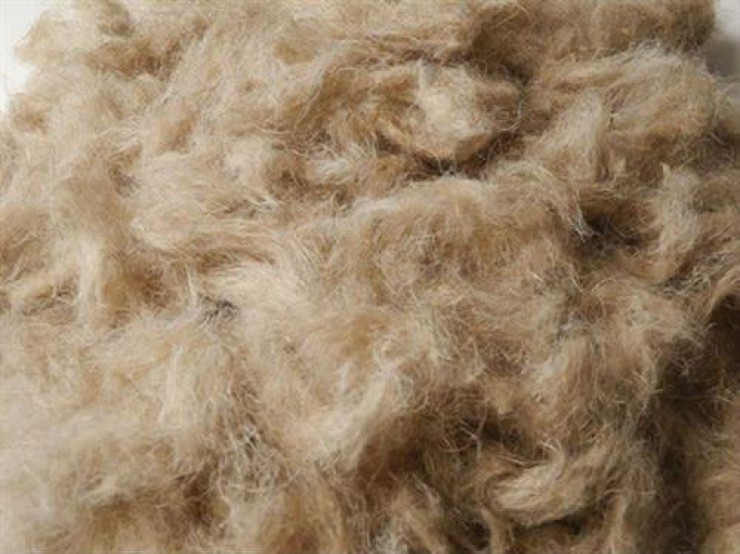
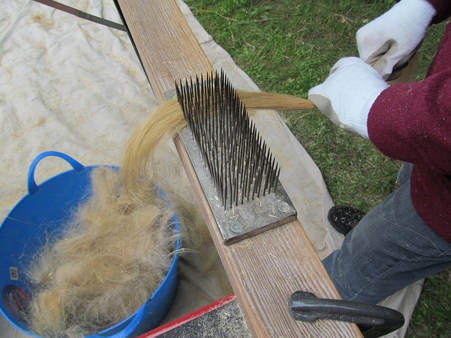
Product Details:
| Name | Hackled Tow / Machine Tow |
| HS Code | - |
| Color | Natural |
| Purity | - |
| Fiber Length | - |
| Packaging | Small bales of 25 kg |
| Min Quantities | 5 tons |
| Container Capacity | 20 ft & 40 ft containers |
| Delivery Time | 10 - 30 days |
| Price | Negotiable |
| Governorates | Gharbiah (Tanta) - Dakhiliyah (Blaques) - Behirah - Kafr El Sheikh |
| Country | Egypt |
Hackled Tow ( Machine Tow)
The flax fibers are combed and hit on the fans to get rid of the finally sticky base and combed with the aim of separating the short and irregular fibers from the lining of uniform length. Hackling is the last of three steps in preparing the fibersto be spun.It splits and straightens the flax fibers, as well as removes the fibrous core and impurities. Dressing is the broad term referring to removing the fibers from the straw and cleaning it enough to be spun consists of three steps: breaking, scutching and heckling. After breaking, some of the straw is scraped from the fibers in the scutching process, then the fiber is pulled through various sized heckling combs,[or hackles]. Different sized heckling combs are used, progressing from coarser combs with only a few prongs or nails per inch, to finer combs. Generally three heckling combs are used;however, many more can be used. The finer the final heckling comb, the finer the yarn spun from that flax can be. An example of a progression of five combs is first using a heckling comb with four nails per square inch, then one with 12 per inch, then 25, next 48, and finally 80 nails per inch. The first three remove the straw, and the last two split and polish the fibers. The shorter fibers that remain in the hackling comb after the flax has been combed are called tow .If the hackle is fine enough, the tow can be carded like wool and spun, otherwise it can be spun like the other flax fibers. Tow produces a coarser yarn than the fibers pulled through the hackles because it will still have some straw in it. While this yarn is not suitable for fine linens, it can be used for bagging, rough sheets, cords or ropes.
Hackled Flax in Dolls
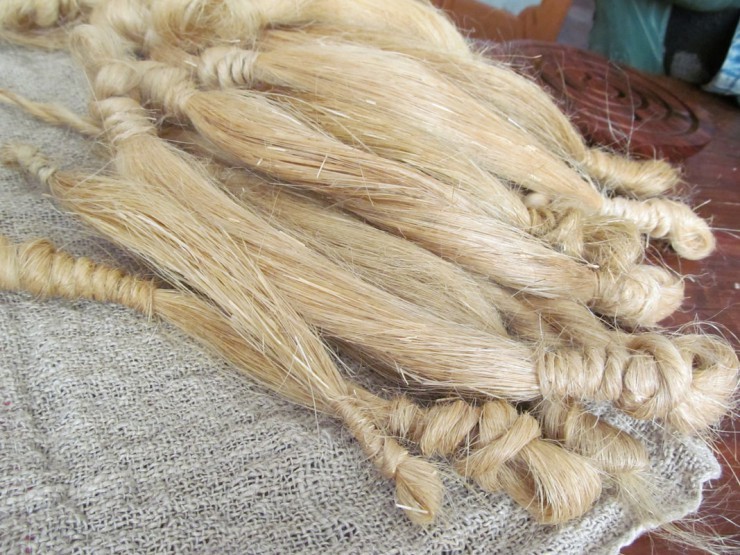
- It is handmade product from Hackled Flax, in different weight and shape. it used in many chemical industries also is used by the plumbers in the sanitary uses. It is prepared for exporting. - Length not less than 60 cm. cleanness not less than 98 %. - collected together to form units about 50, 100, 200, 250 gm. With 2 heads, 4 heads: - Hackled Flax in Puppets Two Heads & One Heads (100 or 200, 250 gr.) - Hackled Flax in Puppets four head (50-100- 200- 250-500-1000 gr.) - Consists of two parts 25 kg each in one bale of 50 kg with jute.
Product Details:
| Name | Hackled Flax in Dolls |
| HS Code | - |
| Color | Natural |
| Purity % | ≥ 98% |
| Fiber Length | < 60 cm |
| Packaging | Bales of 50 kg |
| Min Quantities | 5 tons |
| Container Capacity | 20 ft & 40 ft containers |
| Delivery Time | 10 - 30 days |
| Price | Negotiable |
| Governorates | Gharbiah (Tanta) - Dakhiliyah (Blaques) - Behirah - Kafr El Sheikh |
| Country | Egypt |
Flax Waste
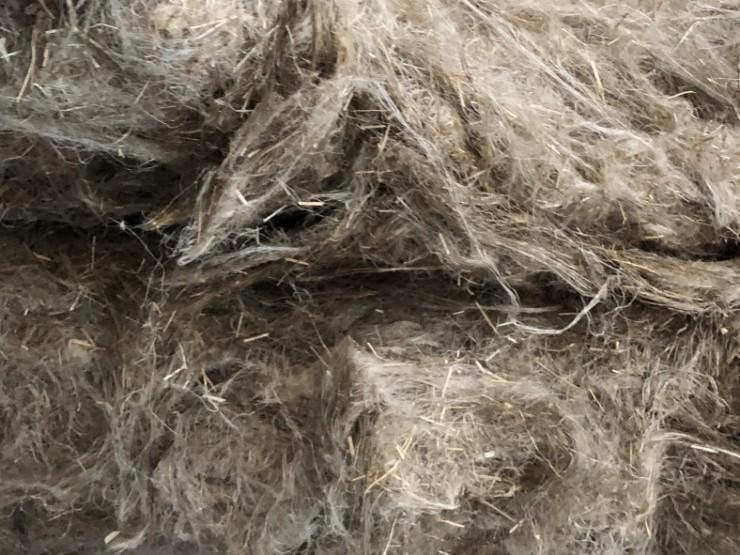
Flax Waste Linen fibers are used in the spinning and weaving industry for fabrics and lint, and some of its waste enters the manufacture of dubara, ropes and thick yarn, then the rest of the waste from the leaves enters into the manufacture of particleboard, which is compressed wood, then we take the seeds and put them in agriculture next season and the bulk of these seeds are pressed to We extract flaxseed oil from it, which is known as hot oil, as flax seeds contain thirty to thirty-eight percent of the oil inside, but what we need in industry is only twenty-five percent, and the rest of the percentage is converted into briquettes or tablets that are used as fodder for animals and livestock because they contain substances It is possible to use the oil that comes out of the linen in paints, coatings and linoleums, or to enter it in the processes of converting it into industrial fat to be used in the soap industry. This process occurs through hydrogen reduction, and the rest of the oil is used as a hot oil for food, as is the case in Egypt.